 HiPoint Energy
HiPoint Energy
HiPoint Energy
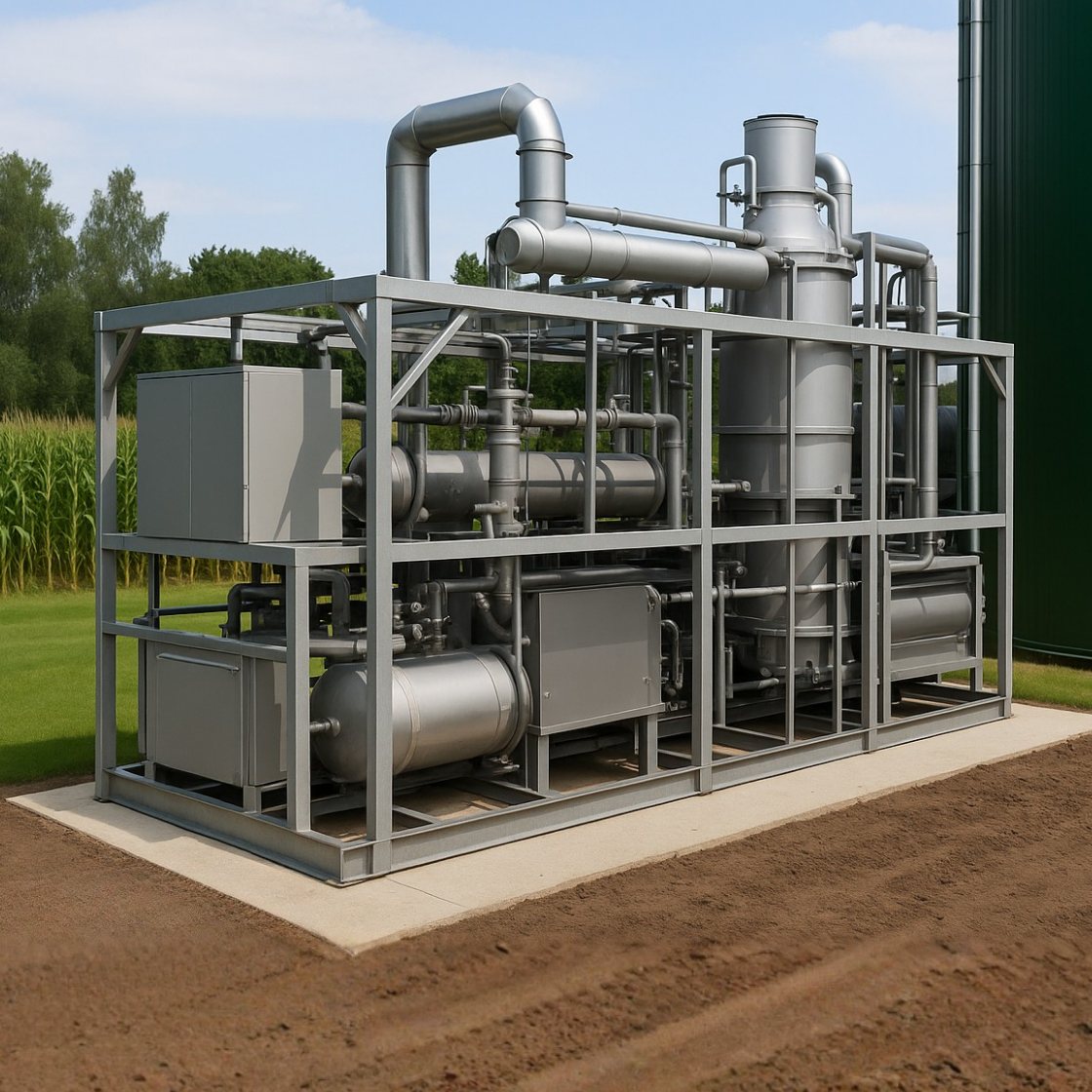
One waste stream becomes fuel, biochar, and carbon credits. On site, off the grid, and anywhere a truck can reach.
The problem
The world is drowning in agricultural waste. Every year, growers generate billions of tons of crop and plant waste that rots in landfills, burns in open fields, and leaches nitrogen and phosphorus into watersheds. That is not an inconvenience. It is a carbon catastrophe in slow motion, a liability that costs producers money, costs governments enforcement, and costs the planet stability it cannot get back.
HiPoint Energy turns that liability into value. A closed-loop, directly heated Hybrid Thermal Biomass Conversion (HTBC) process takes agricultural and horticultural waste in one end of a compact, field-deployable unit, and sends it back out as fuel and carbon worth real money.
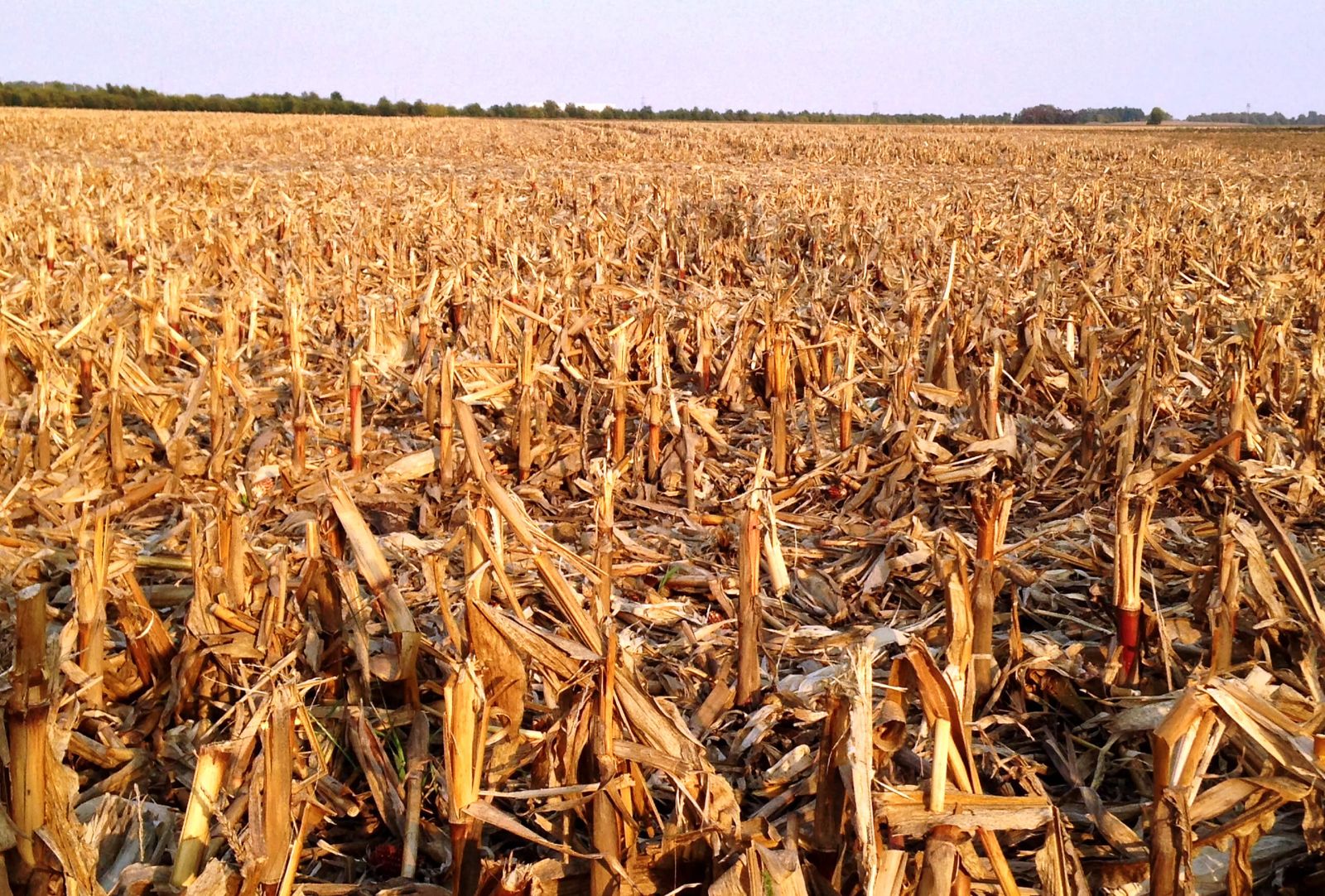
A carbon catastrophe in slow motion.
The solution
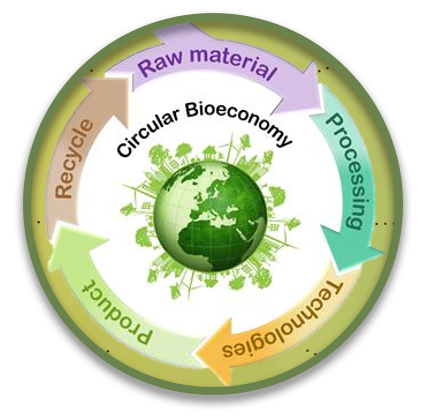
HiPoint Energy builds a proprietary Hybrid Thermal Biomass Conversion (HTBC) unit that turns crop waste into alternative diesel and premium biochar. Feedstock goes in one end. Three things of real value come out the other, with carbon sequestration stacked on top.
The products

Built to match conventional diesel on BTU, viscosity, flash point, and cetane, and confirmed by ASTM testing. It runs in any diesel engine, generator, pump, or tractor with no modification.
That is the whole adoption story. Every engine on the site already runs on this fuel. They just do not know it yet.
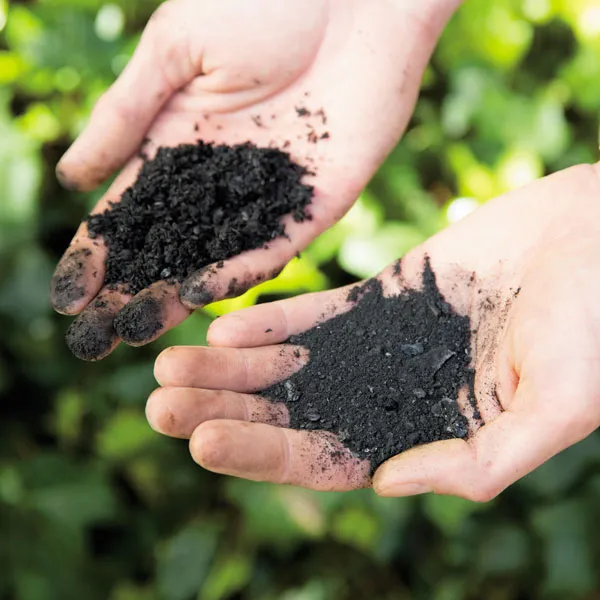
High-temperature biochar built for permanence: aromatic carbon that resists decomposition for centuries. It is also a working soil amendment that holds water and cuts irrigation demand while it stores carbon.
The finished amendment it goes into is CarbonLock, ready to spread or sell.
Every run is logged and audit-ready, so the carbon locked into the biochar and the emissions avoided by the fuel both convert into verified credits you can sell.
We begin the credit documentation (PDD) at project kickoff, so the process is well underway before the unit ships.
The on-board 15 to 25 kW generator runs on the unit's own fuel and powers the site off-grid. Whatever the unit does not need can be exported to the grid.
The value today of ASTM-approved diesel can be up to 7× higher than electricity. Find out more about the benefits of diesel vs. electricity (click here).
How it works
The HiPoint Energy unit ships on a trailer at container scale. The whole unit runs on a 15 to 25 kW generator fed by its own fuel, and it reports throughput and output over the network.
It works on medium farms around 500 acres, which puts it within reach of most growers and co-ops, not just the big operators. Under the hood it runs on Hybrid Thermal Biomass Conversion: the reactor is directly heated, firing up on methane or propane until its own syngas takes over.
Every HiPoint Energy unit is built around the proprietary Augeron Core (patent pending), our own reactor with a mechanical oxygen seal: a progressive-pitch auger that locks out air with no compressor and no rotary valves. That is critical to finishing fuel cleanly and producing stable, high-permanence biochar in a single pass. The reactor is directly heated: it fires up on methane or propane, and once at temperature the unit's own syngas takes over as the process fuel, reused as process heat in a sealed flare box, so it runs clean with almost no tar or ash. Electric heating is an option only for stationary installs where grid power is viable.
Feedstock is cut to size and dried so it feeds the Augeron Core at a steady, clean rate.
The biomass enters the directly heated Augeron Core, oxygen-starved inside and held at 500 to 700°C. No air, no open flame.
The unit fires up on methane or propane; once at temperature, its own syngas fuels the process, reused as heat in a sealed flare box.
The heavy fraction distills into fuel, the solids leave as biochar with almost no tar, ash or flame. Every run is logged, which is what makes the credits defensible.
The offer
Low-cost units win on the sticker and leave you alone with setup, operations, and off-take. We built the offer around what happens after the unit lands on your pad.
We run your feedstock under controlled conditions and come back with what it will actually yield. No guessing, no stripped-down field demo.
We set the unit, dial in the feed, and train your crew to run it and read it. Tiered access keeps operation disciplined.
The Augeron Core is the heart of the unit, and it carries a 10-year warranty. Coverage is confirmed in your contract.
Remote monitoring catches problems early and lifts yield as feedstock changes. It also feeds what we learn across the fleet.
This is how we give back to the farmers who grow our food. We know you have earned it.
Mobile and trailer-mounted. We drive it to your field and run off-grid, or set it on a pad under 0.30 acres.
We test your field crop before deployment, so your expected outputs are known going in. No guessing.
We start the carbon-credit (PDD) process at kickoff, months ahead of delivery. Waste nothing, not even time.
Built for shared use, with several farms feeding one central unit.
Cost-effective, with a simple payback in three to five years.
Premium biochar and alternative diesel on site from the first run, ready to use or sell.
Daisy-chain units together for more waste in and more fuel and biochar out.
Digitally monitored end to end, built to meet digital waste-tracking requirements.
The economics
Tipping fees on the waste coming in. Fuel, biochar, and carbon credits going out, with optional power on site. The numbers below are what a single HiPoint Energy unit delivers, and a simple payback lands inside five years.
Ways to acquire it
Every HiPoint Energy deployment is structured to fit how you fund, operate, and scale. Three paths, one outcome: the unit on your pad, earning from day one.

We build, commission, and hand over the unit outright, with annual maintenance and monitoring included.

Grant-supported acquisition with shared revenues. HiPoint actively sets up the carbon-credit platforms, trains your crew, and distributes by-products and credits through third-party agents.

JV production and leasing programs, available on approved credit.
The cost of doing nothing
The cost of mismanaged agricultural waste is real, it compounds, and almost no one totals it in one place. Here is what doing nothing actually runs, and why the unit reads as the conservative choice.
Either the unit sits on your farm and you cut thousands of dollars in removal costs, or you charge a tipping fee as a central transfer station for crop waste, creating a revenue stream.
Open burning of crop waste is a major source of particulate pollution, which means respiratory harm and a growing stack of regulatory exposure.
Rotting waste leaches nitrogen and phosphorus into surface water, feeding algal blooms and dead zones. A direct concern across California's rivers and wetlands.
Waste breaking down in landfills releases methane, far more potent than CO₂, working against every climate commitment on the books.
Every ton that rots instead of becoming premium biochar is sequestration lost. A single unit can save over 1,000 tons of CO₂e a year at premium credit rates.
Set every line above against the alternative, and the unit is not a cost. It is the conservative choice, with revenue stacked on top.
The transformation
For centuries, turning waste into worth was a fantasy. HiPoint Energy has made it ordinary engineering: it transforms agricultural waste, a material with no commercial value and real ecological cost, into clean fuel, living carbon, sequestered atmosphere, and economic opportunity. The chemistry is proven, the yields are quantified, and the carbon permanence is documented in the scientific literature, expressible in the language of exponential decay that engineers, ecologists, auditors, and sovereign investment committees can verify and certify.
Left alone, that same organic material rots in landfills releasing methane, burns in open fields throwing off PM2.5 and greenhouse gases, leaches nutrients into watersheds, and squanders the carbon that every ton of biomass carries inside it. It is waste in the fullest sense, and it accumulates season after season, harvest after harvest, in quantities that dwarf any remediation effort governments or NGOs currently contemplate. The old intuition was right: that value is latent in what we discard, and that the discipline to pull it back out is among the highest forms of human ingenuity. HiPoint Energy has built the instrument of that transformation. This is no metaphor. It is a machine, and the world it enters, short on easy hydrocarbons, drowning in crop waste, and running out of time, needs it.
“There is a moment in the history of technologies when the problem they solve and the world they enter achieve a convergence so complete that the technology’s adoption ceases to be a matter of commercial persuasion and becomes, instead, a matter of civilizational logic.”
Ron GeorgeCo-founder, HiPoint Energy · Ecological Virtues Whitepaper, 2026

On site, off the grid, anywhere a truck can reach.
We'll model exactly what a HiPoint Energy unit is worth to you: yield, revenue, credits, and payback for your crop and your acreage.